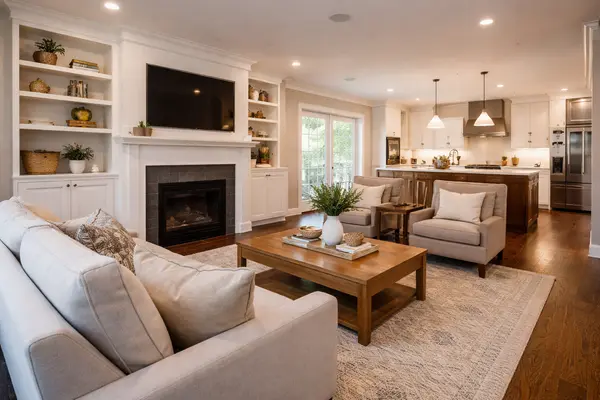

Falls Church VA Overview
Falls Church is one of Northern Virginia’s most strategic independent-city housing markets for buyers and sellers who care about convenience, long-term resale, and quality of life.
Falls Church is an independent city in Northern Virginia thay is separate but adjacent to Fairfax County. Known as “The Little City,” this nickname reflects its tiny geographic footprint (just 2.2 square miles) paired with a high quality of life and a small-town identity separate from the sprawling suburbs of Fairfax and Arlington.
It blends a true neighborhood feel with exceptional access to DC, Arlington, Tysons, and the broader Silver and Orange line corridor.
Buyers who understand the difference between Falls Church City and the larger Falls Church mailing areas make protect resale values and avoid paying for the wrong premium.
Start Your Falls Church Buying or Selling Journey
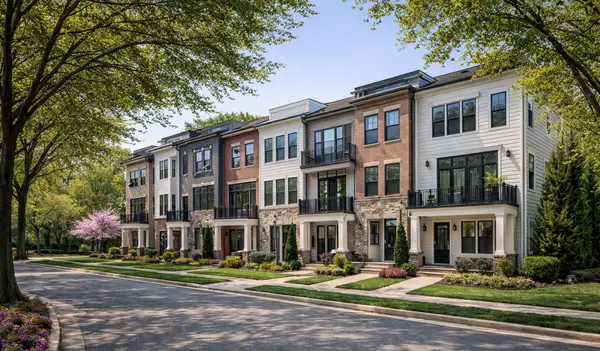
Explore Falls Church Homes for Sale
Search Falls Church homes by commute, budget, and lifestyle goals to quickly narrow in on City, Metro-adjacent, or larger-lot options.
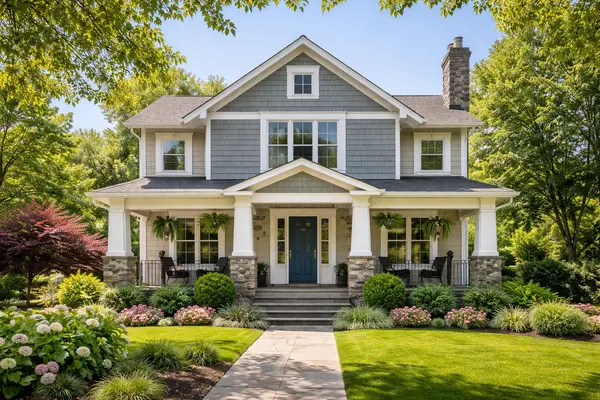
Home Selling Strategy
Get a precise Falls Church pricing and positioning strategy based on school draw, Metro proximity, walkability, and redevelopment influence.
Why Falls Church Continues to Convert Serious Buyers
Falls Church solves multiple decision points at once: commute efficiency, neighborhood identity, school strength, and daily convenience.
Buyers who want Arlington/DC access without sacrificing residential feel consistently shortlist Falls Church because it offers a better balance than many nearby alternatives.
Falls Church Prices, Tradeoffs, and What Buyers Are Really Paying For
Falls Church City school draw
Walkability to Broad Street or Founders Row
Newer construction or turnkey condition
Larger detached lots in quiet residential pockets
Explore Falls Church homes by budget, home style, and long-term value
Popular Falls Church Neighborhoods
The most walkable part of Falls Church, ideal for buyers who want restaurants, shops, and strong resale tied to convenience. Expect charming detached homes and some newer mixed-use options, with smaller lots as the tradeoff.
Best for buyers prioritizing Metro access, newer construction, and long-term growth momentum. The tradeoff is paying more for newer product over classic neighborhood charm.
A strong fit for professionals and downsizers who want dining, retail, and newer low-maintenance homes built into daily life. Less lot space is the main tradeoff.
Known for mature trees, detached homes, and a classic Falls Church neighborhood feel close to parks and civic amenities. Competition can be strongest for updated homes here.
Ideal for DC and Arlington commuters who want fast Metro access. The main tradeoff is a more transit-driven feel compared with the city core.
Things to Do in Falls Church VA
Broad Street dining and boutiques for walkable restaurants, coffee shops, and local shopping
The Falls Church Farmers Market for weekend community activity and neighborhood feel
Cherry Hill Park and nearby green spaces for trails and outdoor recreation
The State Theatre for live music and entertainment
W&OD Trail access for biking, running, and active lifestyles
Nearby Washington Metro access for easy commuting into DC, Arlington, and Tysons
This lifestyle blend of culture, convenience, and walkability is a major reason Falls Church continues to hold strong long-term buyer demand.
Investment Viability & Resale Strength
• easy Metro access
• walkability
• updated interiors
• flexible modern layouts
• proximity to West Falls, Founders Row, or other growth areas
Who Should Buy in Falls Church and Who Should Not
Move-up buyers focused on schools and resale
Downsizers who want walkability
Long-term hold buyers prioritizing quality
Poor-fit buyers:
High-cash-flow investors
Buyers unclear on city vs county boundaries
Buyers unwilling to pay for commute savings
Price and market your home around the premium that matters most: schools, Metro, walkability, lot size, updates, or growth-area proximity.
Falls Church Frequently Asked Questions
Is paying the Falls Church premium actually worth it?
Yes, when the premium directly improves your daily life or protects resale. Buyers usually get the most value when the home gives them stronger schools, easier Metro access, better walkability, or a more durable future buyer pool.
Should I choose Falls Church City over a larger home in the surrounding mailing areas?
Which homes tend to hold value best in Falls Church?
Am I paying too much for walkability if I mostly drive?
Do simple pre-listing updates actually move the needle here?
How much does a Falls Church City vs Falls Church mailing-area positioning affect my sale?
What kind of buyer usually pays the highest premium in Falls Church?
How long does it usually take to sell a home in Falls Church?
Build Your Falls Church Buying or Selling Guide
Get a strategy built around your budget, timeline, commute, and resale goals so you can move with clarity instead of guessing your way through one of Northern Virginia’s more nuanced markets.