
House Hacking for Parents of College Students in the DC Metro Area

TLDR
• Parents of college students in Washington DC, Maryland, and Virginia can purchase near campus and offset costs by renting rooms to other students
• The FHA program often called the kiddie condo loan may allow parents to help finance a property for a college student
• Four years of ownership during college can create equity that may later fund a post graduation down payment
• Strong rental demand near major universities reduces vacancy risk when properties are selected carefully
• Zoning rules, financing structure, and neighborhood selection determine whether this strategy performs as intended
Introduction
College housing costs in the DC Metro Area continue to rise, particularly near major universities. Families sending students to Georgetown University, George Washington University, American University, Howard University, Catholic University of America, University of Maryland, or George Mason University often face limited rental inventory and escalating lease rates.
Rather than paying rent for four years with no long term return, some parents are exploring house hacking. This strategy involves purchasing a property near campus, allowing their student to live in one bedroom, and renting out additional rooms to other students. Over time, mortgage principal reduction and potential appreciation may build equity that can be used after graduation. In 2026, with consistent housing demand across Washington DC, Maryland, and Northern Virginia, this approach deserves serious evaluation.
Local Market Context in Washington DC, Maryland, and Northern Virginia
The DC Metro Area benefits from a stable employment base driven by federal agencies, healthcare systems, research institutions, and private sector employers. This economic foundation supports both property values and rental demand. Areas near universities maintain consistent tenant pools year after year.
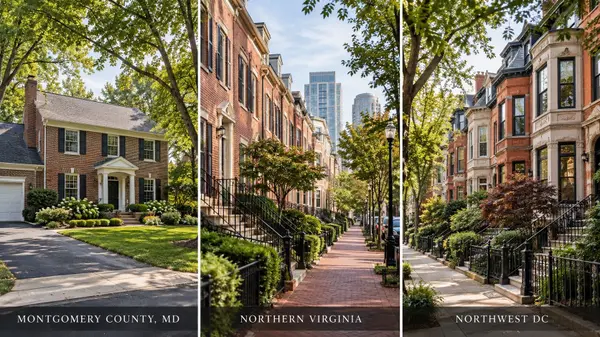
In Washington DC, neighborhoods such as Foggy Bottom, Glover Park, Columbia Heights, Brookland, and areas surrounding Howard University attract strong student rental activity. In Maryland, College Park near the University of Maryland remains one of the most active student housing submarkets in the region. In Northern Virginia, Fairfax near George Mason University offers suburban housing options that are frequently rented by the bedroom.
Inventory conditions vary by property type. Urban condominiums near campuses may carry different pricing trends than detached homes in suburban college towns. Parents must evaluate both purchase price and realistic rental income within each micro market.
Understanding the FHA Kiddie Condo Loan Option
One financing tool frequently discussed in college housing scenarios is the FHA program informally referred to as the kiddie condo loan. This structure may allow a parent to co-sign or serve as a non-occupant co-borrower while the student qualifies as an owner occupant.
Under FHA guidelines, if structured properly, the property can be treated as a primary residence for the student. This may allow for lower down payment requirements compared to traditional investment property financing. However, lender interpretation, debt ratios, and documentation standards vary. Consultation with a lender experienced in FHA student occupancy scenarios is essential before assuming eligibility.
This financing pathway can make ownership more accessible for families who want to convert rental payments into equity building opportunities.
Property Selection Near DC Area Campuses
The right property type drives the success of house hacking.
Condominiums near George Washington University or Howard University may offer walkability and low maintenance, but homeowners association rules must allow room rentals. Single family homes near College Park or Fairfax typically provide more flexibility for renting multiple bedrooms but require active oversight.
Three or four bedroom properties tend to produce the most balanced financial results. The student occupies one bedroom while the remaining rooms generate rental income. Proximity to campus, public transportation access, and neighborhood safety strongly influence achievable rents.
Before purchase, families must verify local occupancy limits, rental licensing requirements, and any short term leasing restrictions imposed by local jurisdictions.
The Four Year Equity Strategy
Over a typical four year college period, several financial dynamics are at work.
Mortgage payments gradually reduce principal. Rental income offsets monthly expenses. If market conditions remain stable or improve, the property may appreciate in value. While appreciation is never guaranteed, long term trends in many DC Metro submarkets have historically supported value growth over multi year periods.
At graduation, families can evaluate two primary strategies. They may sell the property and potentially use accumulated equity as a down payment for the graduate’s first home. Alternatively, they may retain the property as a rental asset in a market with recurring student demand.
This approach transforms housing from a pure expense into a strategic asset that may support early wealth building.
Markets Where House Hacking Often Makes Sense
Families frequently explore the following areas due to reliable student demand.
• College Park near the University of Maryland, where homes are commonly rented by the bedroom
• Foggy Bottom near George Washington University, where proximity reduces vacancy risk
• Glover Park and Tenleytown near Georgetown and American University, where steady demand supports resale value
• Brookland near Catholic University and accessible to Howard University, where transit access enhances rental appeal
• Fairfax near George Mason University, where suburban homes accommodate multiple tenants
Each neighborhood requires detailed review of zoning regulations and rental compliance standards.
Financing and Risk Considerations
Financing must align with occupancy plans and lender guidelines. FHA structures such as the kiddie condo loan may provide favorable entry points, but qualification standards must be reviewed carefully. Conventional financing may also be appropriate depending on income and down payment capacity.
Risks include vacancy, property maintenance, tenant turnover, and regulatory compliance. Clear lease agreements, parental guarantees from student tenants, and adequate insurance coverage are critical components of risk management.
Families should also review guidance from sources such as Freddie Mac regarding occupancy definitions and consult local government housing authorities to confirm rental requirements.
Frequently Asked Questions
Is house hacking near DC universities legal
Yes, but regulations differ by city and county. Occupancy limits and licensing rules must be verified before purchasing.
What is the FHA kiddie condo loan
It is a commonly used term for an FHA structure that may allow a parent to co sign or act as a non occupant co borrower while the student occupies the property as a primary residence.
Can rental income cover most of the mortgage
In some markets near universities, room rentals can significantly offset monthly costs. Accurate rent analysis is essential before purchase.
Is it safer to buy near campus or farther away
Proximity to campus and transit typically reduces vacancy risk and supports stronger resale demand.
Can the equity realistically fund a down payment after graduation
It can, depending on principal reduction, appreciation, and market timing. Conservative projections should guide expectations.
What are the biggest risks parents overlook
Zoning compliance, homeowners association restrictions, and tenant management are often underestimated.
Professional Insight
House hacking near universities such as Howard University, Georgetown, George Washington, University of Maryland, and George Mason can be a disciplined wealth building strategy when approached correctly. The most successful families treat the property as an investment with defined financial criteria rather than simply a housing solution. Location, compliance, and financing structure determine the outcome far more than enthusiasm for the concept.
Conclusion
For parents of college students in Washington DC, Maryland, and Northern Virginia, house hacking offers a strategic way to convert four years of housing costs into potential equity. When supported by appropriate financing such as FHA structures, careful property selection, and realistic rental projections, the strategy can create options at graduation rather than obligations.
With informed planning and market specific guidance, college housing can become part of a broader financial strategy rather than a temporary expense.
About the Author
Kelly Jackson is a real estate advisor serving Washington DC, Maryland, and Northern Virginia with more than two decades of experience helping families make strategic housing decisions. I work with buyers, relocating professionals, and investors who want clarity, structure, and market grounded advice. If you are considering purchasing near a DC area university, I can help you evaluate both the neighborhood and the numbers before you move forward.
Categories
- All Blogs (116)
- Affordability and Cost of Living (13)
- Andrews Air Force Base (3)
- Arlington VA Real Estate (2)
- AS IS Home Sale (3)
- Baltimore County Real Estate (1)
- Baltimore Homes (2)
- Baltimore Real Estate (2)
- Buyer Education (5)
- Buyer Guides (16)
- Buyer Representation (2)
- Buyer Resources (4)
- Buyer Strategy (11)
- buying a home (8)
- Buying a Home Near DC (6)
- Camp Springs Real Estate (1)
- Capitol Hill DC (4)
- Charles County MD (4)
- Charles County Real Estate (4)
- College Housing Strategy (1)
- Condo & Co-op Living (2)
- Condo Living (5)
- DC Commute Times (2)
- DC Home Values (8)
- DC Market Trends (7)
- DC Neighborhood Insights (10)
- DC Neighborhoods (12)
- DC Real Estate Market (26)
- DC Relocation (6)
- DC Waterfront (1)
- DMV Buyer Strategy (9)
- DMV HOAs (3)
- DMV Housing Market (6)
- DMV Market Guides (2)
- DMV Neighborhoods (7)
- dmv real estate (25)
- Dumfries VA Real Estate (2)
- Expired Listings (1)
- Fairfax County Real Estate (3)
- Financing & Mortgage Guidance (1)
- First Time Home Buyers (4)
- Fort Belvoir (1)
- Fort Detrick Military Relocation (5)
- Fort Detrick PCS (5)
- Fort Washington MD (2)
- Fort Washington MD Real Estate (1)
- Frederick County Real Estate (3)
- Georgetown DC Realty Estate (2)
- Historic DC Communities (1)
- Home Buying Advice (4)
- Home Buying Education (2)
- Home Buying in Washington DC (8)
- Home Buying Strategies (2)
- Home Buying Tips (2)
- Home Improvement ROI (2)
- Home Prep (1)
- Home Preparation for Selling (1)
- Home Selling Advice (11)
- Home Selling in Washington DC (14)
- Home Selling Process (2)
- Home Selling Strategy (8)
- Home Selling Timelines (5)
- Home Value & Pricing (1)
- Home Value Pricing & Strategy (1)
- Home Value Trends and Forecast (1)
- House Hacking & Investment (1)
- Investor Education (1)
- Local Market Insights (2)
- Luxury Adjacent Homes (1)
- Luxury Home Selling (1)
- Market Conditions (1)
- Maryland Communities (10)
- Maryland Home Buyers (15)
- Maryland Home Sellers (17)
- Maryland Home Values (1)
- Maryland Homeowners (5)
- Maryland Neighborhoods (11)
- Maryland Real Estate (31)
- Montgomery County MD (10)
- Montgomery County MD Housing Market (7)
- Mortgage and Financing (2)
- National Harbor MD (1)
- Neighborhood Guides (8)
- Net Out Sheet (1)
- New Construction Homes (1)
- Northern VA Home Buyers (18)
- Northern Virginia Buyers (15)
- Northern Virginia Home Sellers (23)
- Northern Virginia Real Estate (36)
- Oxon Hill MD (1)
- PCS Housing Guide (5)
- Petworth DC Home Prices (1)
- Petworth DC Real Estate (2)
- PG County Real Estate (6)
- Prince George’s County Real Estate (11)
- Prince William County Real Estate (5)
- Real Estate Advice (2)
- Real Estate Closings (1)
- Real Estate Contracts (1)
- Real Estate Market Insights (4)
- Real Estate Negotiation and Strategy (2)
- Real Estate Strategies for Home Sellers (9)
- Reat Estate Strategy for Sellers (7)
- Relocation & Moving to Northern Virginia (17)
- Relocation and Military Housing (17)
- Rockville MD Real Estate (1)
- Sell Maryland Home (7)
- Seller Education (14)
- Seller Resources (7)
- Seller Strategy (14)
- Seller Success Stories (1)
- Silver Spring Real Estate (3)
- Smart Buying Strategies (2)
- Southern MD Real Estate (2)
- Stafford County Real Estate (3)
- student loans (1)
- Triangle VA Real Estate (1)
- USDA Loans DMV (1)
- VA Home Loans (2)
- VA Loan Purchase (2)
- VA Market Insights and Trends (4)
- Virginia Home Selling Guide (3)
- Washington DC Real Estate (20)
- Washington DC Sellers (8)
- Wealth Building (1)
- Where to Live in Northern Virginia (8)
- Woodmore MD (1)
- Zero Down Payment Programs (1)
Recent Posts