
Red Flags to Watch For When Buying a Home in Washington DC

A buyer's guide to the issues that show up most often in District rowhouses, condos, and co-ops
Quick answer: the most common red flags when buying a home in Washington DC are unpermitted basement work, illegal or unregistered rental units, historic district restrictions on renovations, aging infrastructure and shared party walls in older rowhouses, lead paint in homes built before 1978, water intrusion, thin condo or co-op reserve funds, flood zone exposure near the Anacostia and Potomac, and repeated price drops on a listing.
TL;DR
- Ask for permit history before trusting a finished basement, especially if it looks like a separate unit
- Confirm any rental units are properly licensed and zoned for multi-unit use
- Check whether the property sits in a historic district before planning renovations
- Get the party wall agreement and a full inspection given DC's older infrastructure
- Read the lead paint disclosure closely on any home built before 1978
- Look for signs of patched water intrusion in basements
- Pull condo or co-op financials, including reserve studies and pending assessments
- Check current FEMA flood maps near the Anacostia and Potomac
- Ask why a listing has had more than one price drop
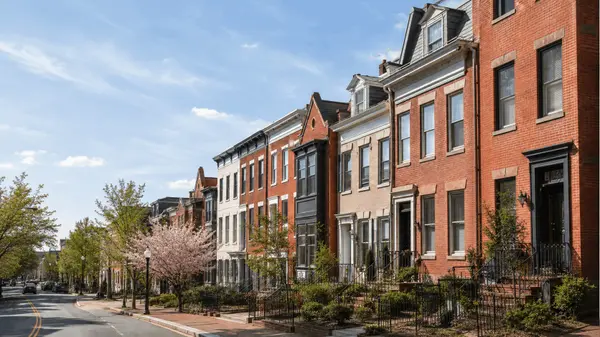
Washington DC has some of the most charming housing stock in the country, but it also has quirks that buyers coming from other markets don't always expect. Rowhouses built a hundred years ago, English basements converted into apartments, historic district rules that limit what you can change, and condo buildings with thin reserve funds all show up regularly in DC transactions. None of these are automatic deal breakers. They're just things that deserve a closer look before you go hard on a contract.
Here's what Kelly and Keith walk buyers through on every DC showing.
1. Unpermitted work, especially in the basement
DC rowhouses are famous for their English basements, and a lot of them have been finished, rented out, or converted into a second unit over the years. The question is whether that work was permitted. Unpermitted electrical, plumbing, or a second kitchen can mean insurance headaches, trouble at resale, and in some cases a requirement to undo the work. Ask for permit history and pull records through the District's permit portal before assuming a finished basement adds the value it appears to.
2. Illegal or unregistered rental units
Related to the basement issue: if a rowhouse has two or three separate living units, DC requires proper licensing for rentals and specific zoning for multi-unit use. A property that's been quietly run as a duplex without the right approvals can create real problems for a buyer who plans to keep renting it out, or even for one who just wants to convert it back to a single family home. This matters even more for buyers using a VA loan, since occupancy and property condition requirements are stricter than a conventional purchase.
3. Historic district restrictions
Georgetown, Capitol Hill, Dupont Circle, and several other DC neighborhoods sit inside historic districts, which means exterior changes go through the Historic Preservation Review Board before they happen. That covers windows, additions, roof decks, even paint colors in some cases. Buyers who fall in love with a house because of the renovation potential need to know upfront whether their plans are even possible under historic review, not after settlement.
4. Shared walls and party wall agreements
Most DC rowhouses share at least one wall with a neighbor, and that shared wall comes with a party wall agreement that governs repairs, maintenance, and cost splitting. If there's no clear agreement on file, or if a neighbor has done work on their side that affected the shared structure, that's worth sorting out before closing rather than after.
5. Aging infrastructure behind the walls
A lot of DC's housing stock predates modern building codes. Knob and tube wiring, old galvanized or lead supply lines, undersized electrical panels, and aging cast iron plumbing all still turn up in inspections. None of these mean walk away, but they do mean budget for it, and they're a strong argument for a full inspection rather than a quick walkthrough.
6. Lead paint in pre-1978 homes
Federal law requires a lead paint disclosure on any home built before 1978, and a huge share of DC's rowhouse inventory falls into that category. Sellers are required to disclose known lead hazards and provide any available reports. Buyers should read that disclosure closely and consider a lead inspection, especially with young kids in the picture.
7. Water intrusion and foundation movement
Rowhouses built tight against each other with limited drainage between them are prone to water finding its way into basements. Look for fresh paint that only covers part of a basement wall, a dehumidifier running in July, efflorescence on brick, or a suspiciously new coat of waterproofing paint. These are the classic signs of a moisture problem that was patched instead of fixed.
8. Condo and co-op financial health
If you're buying a condo or a co-op, the building's financials matter as much as the unit itself. Ask for the reserve study, the last two years of board meeting minutes, and whether any special assessments are pending. A building with a thin reserve fund and a roof that's due for replacement can turn into an unplanned five figure bill shortly after you move in. Co-ops add another layer, since you're buying shares in a corporation rather than real property, and board approval is often required before you can even close.
9. Flood zone exposure near the rivers
Neighborhoods along the Anacostia and Potomac, including parts of Southwest Waterfront, Navy Yard, and areas near the Kennedy Center, sit closer to flood risk than buyers coming from other cities expect. Check current FEMA flood maps and ask directly about flood insurance requirements and past flooding history before assuming a waterfront view comes without a waterfront risk.
10. A price that's dropped more than once
One price reduction can mean a home was simply listed too high. Two or three reductions, especially paired with a long time on market, usually means something else is going on, whether that's a stubborn inspection issue, a neighborhood factor, or a seller who priced against the wrong comps. It's worth asking the listing agent directly what changed between the original list price and today's.
None of this should scare you off DC
Every one of these red flags is manageable with the right team and the right questions asked early. DC's older housing stock is part of what makes the city so distinctive, and most of these issues show up in disclosures, permit records, and inspections long before they become a surprise at closing. The buyers who run into trouble are usually the ones who moved too fast to look.
Kelly and Keith work DC deals every week and know exactly which questions to ask on which blocks, from Capitol Hill's historic district rules to Navy Yard's condo reserve funds. If you're looking at a home in the District, reach out before you write an offer. Military and PCS buyers can also check out our military relocation guide for DC-specific timing and financing tips.
Frequently Asked Questions
What are the biggest red flags when buying a home in DC?
The biggest red flags are unpermitted work in converted basements, illegal or unregistered rental units, historic district restrictions on renovations, aging infrastructure common in older rowhouses, and thin reserve funds in condo or co-op buildings.
Is unpermitted basement work common in DC rowhouses?
Yes. Many DC rowhouses have finished or converted English basements, and not all of that work went through the proper permitting process. Buyers should pull permit history before assuming a finished basement adds value without added risk.
Do I need to worry about lead paint when buying in DC?
Federal law requires a lead paint disclosure on any home built before 1978, and a large share of DC's housing stock falls into that category. Buyers should review the disclosure closely and consider a lead inspection.
How do historic districts affect buying a home in DC?
Neighborhoods like Georgetown, Capitol Hill, and Dupont Circle fall under historic district review, which means exterior changes such as windows, additions, and roof decks need approval from the Historic Preservation Review Board before they happen.
What should I check before buying a DC condo or co-op?
Ask for the reserve study, recent board meeting minutes, and whether any special assessments are pending. Co-op buyers should also confirm board approval requirements before closing, since a co-op purchase involves buying shares in a corporation rather than real property.

Written by Kelly Jackson
Founder, KJAX Group at Samson Properties | MRP, SRES, CRS, ABR, e-PRO
Licensed in DC, Maryland, and Virginia with 24+ years of experience and over 1,600 homes closed. Kelly and her husband Keith work DC neighborhoods block by block, from historic district rules to condo reserve funds.
240.385.9905 | kellysellsdmv@gmail.com
Categories
- All Blogs (116)
- Affordability and Cost of Living (13)
- Andrews Air Force Base (3)
- Arlington VA Real Estate (2)
- AS IS Home Sale (3)
- Baltimore County Real Estate (1)
- Baltimore Homes (2)
- Baltimore Real Estate (2)
- Buyer Education (5)
- Buyer Guides (16)
- Buyer Representation (2)
- Buyer Resources (4)
- Buyer Strategy (11)
- buying a home (8)
- Buying a Home Near DC (6)
- Camp Springs Real Estate (1)
- Capitol Hill DC (4)
- Charles County MD (4)
- Charles County Real Estate (4)
- College Housing Strategy (1)
- Condo & Co-op Living (2)
- Condo Living (5)
- DC Commute Times (2)
- DC Home Values (8)
- DC Market Trends (7)
- DC Neighborhood Insights (10)
- DC Neighborhoods (12)
- DC Real Estate Market (26)
- DC Relocation (6)
- DC Waterfront (1)
- DMV Buyer Strategy (9)
- DMV HOAs (3)
- DMV Housing Market (6)
- DMV Market Guides (2)
- DMV Neighborhoods (7)
- dmv real estate (25)
- Dumfries VA Real Estate (2)
- Expired Listings (1)
- Fairfax County Real Estate (3)
- Financing & Mortgage Guidance (1)
- First Time Home Buyers (4)
- Fort Belvoir (1)
- Fort Detrick Military Relocation (5)
- Fort Detrick PCS (5)
- Fort Washington MD (2)
- Fort Washington MD Real Estate (1)
- Frederick County Real Estate (3)
- Georgetown DC Realty Estate (2)
- Historic DC Communities (1)
- Home Buying Advice (4)
- Home Buying Education (2)
- Home Buying in Washington DC (8)
- Home Buying Strategies (2)
- Home Buying Tips (2)
- Home Improvement ROI (2)
- Home Prep (1)
- Home Preparation for Selling (1)
- Home Selling Advice (11)
- Home Selling in Washington DC (14)
- Home Selling Process (2)
- Home Selling Strategy (8)
- Home Selling Timelines (5)
- Home Value & Pricing (1)
- Home Value Pricing & Strategy (1)
- Home Value Trends and Forecast (1)
- House Hacking & Investment (1)
- Investor Education (1)
- Local Market Insights (2)
- Luxury Adjacent Homes (1)
- Luxury Home Selling (1)
- Market Conditions (1)
- Maryland Communities (10)
- Maryland Home Buyers (15)
- Maryland Home Sellers (17)
- Maryland Home Values (1)
- Maryland Homeowners (5)
- Maryland Neighborhoods (11)
- Maryland Real Estate (31)
- Montgomery County MD (10)
- Montgomery County MD Housing Market (7)
- Mortgage and Financing (2)
- National Harbor MD (1)
- Neighborhood Guides (8)
- Net Out Sheet (1)
- New Construction Homes (1)
- Northern VA Home Buyers (18)
- Northern Virginia Buyers (15)
- Northern Virginia Home Sellers (23)
- Northern Virginia Real Estate (36)
- Oxon Hill MD (1)
- PCS Housing Guide (5)
- Petworth DC Home Prices (1)
- Petworth DC Real Estate (2)
- PG County Real Estate (6)
- Prince George’s County Real Estate (11)
- Prince William County Real Estate (5)
- Real Estate Advice (2)
- Real Estate Closings (1)
- Real Estate Contracts (1)
- Real Estate Market Insights (4)
- Real Estate Negotiation and Strategy (2)
- Real Estate Strategies for Home Sellers (9)
- Reat Estate Strategy for Sellers (7)
- Relocation & Moving to Northern Virginia (17)
- Relocation and Military Housing (17)
- Rockville MD Real Estate (1)
- Sell Maryland Home (7)
- Seller Education (14)
- Seller Resources (7)
- Seller Strategy (14)
- Seller Success Stories (1)
- Silver Spring Real Estate (3)
- Smart Buying Strategies (2)
- Southern MD Real Estate (2)
- Stafford County Real Estate (3)
- student loans (1)
- Triangle VA Real Estate (1)
- USDA Loans DMV (1)
- VA Home Loans (2)
- VA Loan Purchase (2)
- VA Market Insights and Trends (4)
- Virginia Home Selling Guide (3)
- Washington DC Real Estate (20)
- Washington DC Sellers (8)
- Wealth Building (1)
- Where to Live in Northern Virginia (8)
- Woodmore MD (1)
- Zero Down Payment Programs (1)
Recent Posts