
What Are the Warning Signs to Look For When Viewing a Home in Northern Virginia?

TLDR
- Look for moisture, foundation movement, and aging systems that signal expensive repairs.
- In condos, scrutinize reserves, special assessments, and building maintenance history closely.
- Verify flood risk, radon levels, and sewer line condition unique to our regional geology.
- Use market leverage, winter timing, and targeted contingencies to protect your budget.
What does a home viewing protect you from?
A showing is more than a quick walk-through. It is your first filter to catch issues before you spend money on inspections or appraisals. In the D.C. region, inventory rose in 2025 and months of supply sat near 2.6 by late 2025, pointing to a slightly more balanced environment than the frenzy of prior years. According to Bright MLS, the increase in listings has meant more choice and, in some cases, more negotiating room. That makes your eyes on the property even more valuable.
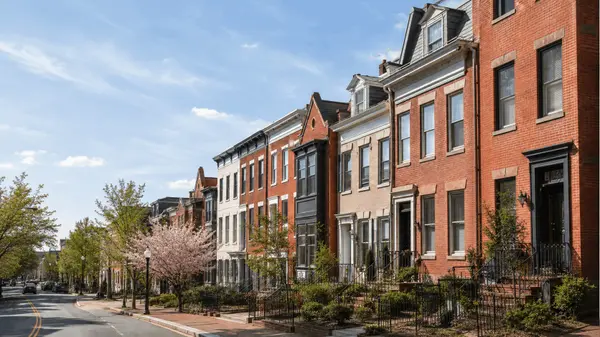
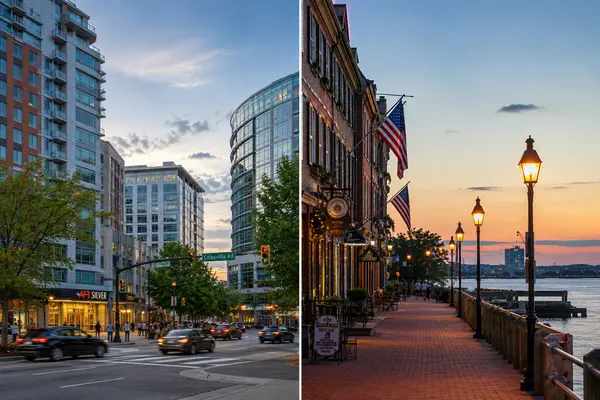
Northern Virginia’s housing stock spans 1920s bungalows in Alexandria, mid-century colonials in Arlington, and newer townhomes and condos in Fairfax County. Older homes can carry hidden structural or mechanical issues, while newer properties sometimes mask builder-grade shortcuts. Prices around the city remain elevated, with the D.C. metro median purchase price hovering near the low 600s in mid 2025. For first-time buyers watching every dollar, spotting warning signs early prevents costly surprises and protects your monthly payment.
A thorough home tour means:
- Identifying condition risks that could balloon into five-figure repairs within 5 years.
- Flagging environmental and location risks like radon and flood exposure early.
- Highlighting documentation risks, especially for condos, that affect budgets and timelines.
How do common red flags show up in Northern Virginia homes?
Start from the ground up. In basements and crawl spaces, look for water staining, efflorescence on foundation walls, dehumidifiers running constantly, or musty odors. These can signal drainage or grading problems. In older Arlington and Alexandria homes, clay sewer laterals can crack or be infiltrated by roots. A sewer scope, typically 300 to 600 dollars, is one of the best investments you can make. On main levels, note sloping floors, doors that stick, or wide drywall cracks radiating from window corners. Those can indicate settlement or framing movement that may warrant a structural engineer review.
On the exterior, check the age and condition of the roof, flashing around chimneys, and gutters that channel water away from the foundation. Asphalt roofs in our climate often have a 20 to 25-year lifespan. Replacement can run 10,000 to 18,000 dollars depending on size. In wood-frame homes, wood rot at trim and sills is common. For brick homes, mortar deterioration can require tuckpointing that may cost 1,500 to 5,000 dollars for typical spot repairs. Inside mechanical rooms, verify the age of HVAC equipment and water heaters. HVAC replacement commonly runs 6,000 to 12,000 dollars, water heaters 1,200 to 2,500 dollars.
Regional environmental checks are essential. Many Fairfax and Loudoun neighborhoods test high for radon, a naturally occurring gas. A professional radon test typically costs 150 to 200 dollars and a mitigation system often runs 1,200 to 1,800 dollars. Learn more from the EPA on radon. For flood risk, review the FEMA Flood Map Service Center and ask about prior claims. Even if a property is outside a mapped flood zone, local stormwater patterns can matter. The Northern Virginia Regional Commission has helpful resources on watershed and resilience planning.
What about today’s market context?
Market movement shapes strategy. Bright MLS reported a significant year-over-year rise in DC-area inventory in mid 2025, improving choice for buyers. Months of supply near 2.6 by late 2025 still indicates a seller-leaning market, but it is closer to balanced than the ultra-tight conditions of 2022-2023. For first-time buyers who value careful due diligence, I often use seasonal lulls, especially in winter, to secure inspection windows and targeted credits. Review Bright MLS market reports to stay current as conditions evolve. To understand how market trends might influence decisions, you might explore whether the DMV is a Buyer's Market in 2026.
Which neighborhoods highlight specific watchouts for first-time buyers?
Northern Virginia neighborhoods differ in housing age, soil, and building types. As a top DMV Realtor working daily between DC, MD and NoVA, I guide first-time buyers to tailor their checklists to the neighborhood.
- Alexandria: Del Ray
- Arlington: Ballston to Clarendon Corridor
- Falls Church City and Nearby Fairfax
What are the pros and cons of spotting red flags early?
Pros:
- Stronger negotiation position for repairs or credits when documented clearly.
- Budget protection against expensive mechanical, sewer, or structural surprises.
- Health and safety reassurance by addressing radon, mold, or electrical hazards.
Cons:
- Upfront costs for inspections, scopes, and specialist evaluations add up.
- Time spent on due diligence can cause you to miss fast-moving listings.
- Overly broad contingencies may weaken offers when competition spikes.
How do I structure due diligence, costs, and timelines to win and stay safe?
Start with a layered approach. Before you write, I recommend a focused viewing checklist that hits water intrusion points, mechanical ages, and obvious structural cues. If a home passes the eye test, write an offer with targeted contingencies. In a slightly more balanced market, buyers often secure a 7 to 10-day home inspection contingency, a right to conduct a sewer scope, and a radon test addendum.
Expect these typical costs and timelines in Northern Virginia:
- General home inspection: 450 to 700 dollars, 3 to 4 hours, report within 24 hours.
- Radon test: 150 to 200 dollars, 48-hour test, results 1 day later.
- Sewer scope: 300 to 600 dollars, 1 to 2 hours, video and report same day.
- Chimney inspection: 150 to 300 dollars, recommended for older masonry chimneys.
- Structural engineer consult: 400 to 800 dollars, 3 to 5 business days for letter.
- Condo document review: 3-day rescission period standard in Virginia once delivered.
One of my clients in Arlington loved a townhome that looked perfect. During the sewer scope we found root intrusion and a collapsed section near the main. The repair estimate was 8,500 dollars. We negotiated a seller credit that covered the fix and a portion of closing costs, keeping their monthly payment intact.
Another client in Alexandria was set on a charming 1930s brick home. We noticed subtle floor slope toward the rear addition. A structural engineer found a compromised beam and an under-supported pier. Instead of walking, my buyers reworked the offer to include a 15,000 dollar credit and extended closing to bring in contractors. They closed safely and within budget.
FAQs
1) Which inspections are essential for Northern Virginia homes? Start with a general home inspection, radon test, and, for older homes or large trees, a sewer scope. Add chimney inspections for masonry fireplaces and a structural engineer visit if you see significant cracks or floor slope. For condos, the key inspection is document based, reviewing reserves, budgets, and engineering reports, along with your unit’s mechanicals and windows.
2) How do I check for flood risk before writing an offer? Ask your agent for a flood history disclosure and check the FEMA Flood Map Service Center. Then walk the block after rain, inspect grading, and look for sump pumps, French drains, or water staining in the basement. Consider flood insurance quotes even if the home is outside a high-risk zone to understand your true exposure and potential premium.
3) What condo red flags should I watch in Arlington or Alexandria? Focus on special assessments, reserve study age, and percent of owner-occupancy. Look for rising delinquencies, deferred maintenance on elevators and roofs, and large capital projects scheduled without adequate reserves. High investor concentration can affect financing. Virginia’s 3-day condo document rescission period lets you cancel if the financials or rules are not acceptable.
4) How competitive is the market if I want inspections? Competition varies by micro-market. Bright MLS reported inventory growth and around 2.6 months of supply by late 2025, which is closer to balanced than prior years. In winter, I often secure full inspection contingencies. In spring, we may shorten timelines, use a right-to-void structure, or pre-schedule inspectors to keep offers strong while protecting your downside.
5) What are typical repair costs I should budget for in NoVA? Plan for a 1 to 3 percent of purchase price annual maintenance reserve. Common single-project costs include HVAC 6,000 to 12,000 dollars, roof 10,000 to 18,000 dollars, water heater 1,200 to 2,500 dollars, basement waterproofing 7,000 to 20,000 dollars, and sewer lateral repairs 4,000 to 12,000 dollars depending on access and depth. Exact bids will depend on scope.
6) Are price reductions or credits common if issues are found? Yes, with well-documented findings. I package reports, photos, and bids into a concise addendum. In a moderating market, sellers are more open to repairing safety issues or providing credits at closing. The key is specificity and fairness. Credits are often easier because they avoid contractor delays and let you choose your own pros after settlement.
7) How do I balance DC vs Northern Virginia if I am a first-time buyer? Start with your commute, budget, and property type. DC rowhomes may offer character and walkability, while Northern Virginia can deliver newer systems, garages, and slightly lower property taxes in some areas. The best strategy is to select the neighborhood that meets your needs and lifestyle, while purchasing a home that will not require an immediate outlay of high ticket repairs.
Conclusion
The bottom line: The best realtor in Northern Virginia is your early warning system. In Northern Virginia, pay close attention to water management, foundation movement, roof age, HVAC lifespan, radon, and condo financial health. Use a layered due diligence plan with a clear budget for inspections and targeted contingencies. Today’s slightly more balanced market offers windows to negotiate repairs or credits, especially in winter. Whether you are comparing DC real estate to Alexandria or Arlington, I will help you move quickly without sacrificing safety, value, or peace of mind. When you are ready, let us walk a property together with a smart checklist.
Kelly Jackson is a top DC Metro Realtor with 24 plus years of experience helping buyers evaluate homes. She specializes in identifying risk early, structuring smart contingencies, and guiding clients through data driven decisions on home purchase in DC, Maryland and Northern Virginia.
Categories
- All Blogs (114)
- Affordability and Cost of Living (13)
- Andrews Air Force Base (3)
- AS IS Home Sale (3)
- Baltimore County Real Estate (1)
- Baltimore Homes (2)
- Baltimore Real Estate (2)
- Buyer Education (5)
- Buyer Guides (16)
- Buyer Representation (2)
- Buyer Resources (4)
- Buyer Strategy (11)
- buying a home (8)
- Buying a Home Near DC (6)
- Camp Springs Real Estate (1)
- Capitol Hill DC (4)
- Charles County MD (4)
- Charles County Real Estate (4)
- College Housing Strategy (1)
- Condo & Co-op Living (2)
- Condo Living (5)
- DC Commute Times (2)
- DC Home Values (7)
- DC Market Trends (7)
- DC Neighborhood Insights (9)
- DC Neighborhoods (12)
- DC Real Estate Market (25)
- DC Relocation (6)
- DC Waterfront (1)
- DMV Buyer Strategy (9)
- DMV HOAs (3)
- DMV Housing Market (6)
- DMV Market Guides (2)
- DMV Neighborhoods (7)
- dmv real estate (24)
- Dumfries VA Real Estate (2)
- Expired Listings (1)
- Fairfax County Real Estate (2)
- Financing & Mortgage Guidance (1)
- First Time Home Buyers (4)
- Fort Belvoir (1)
- Fort Detrick Military Relocation (5)
- Fort Detrick PCS (5)
- Fort Washington MD (2)
- Fort Washington MD Real Estate (1)
- Frederick County Real Estate (3)
- Georgetown DC Realty Estate (1)
- Historic DC Communities (1)
- Home Buying Advice (4)
- Home Buying Education (2)
- Home Buying in Washington DC (8)
- Home Buying Strategies (2)
- Home Buying Tips (2)
- Home Improvement ROI (2)
- Home Prep (1)
- Home Preparation for Selling (1)
- Home Selling Advice (11)
- Home Selling in Washington DC (14)
- Home Selling Process (2)
- Home Selling Strategy (8)
- Home Selling Timelines (5)
- Home Value & Pricing (1)
- Home Value Pricing & Strategy (1)
- Home Value Trends and Forecast (1)
- House Hacking & Investment (1)
- Investor Education (1)
- Local Market Insights (2)
- Luxury Adjacent Homes (1)
- Luxury Home Selling (1)
- Market Conditions (1)
- Maryland Communities (10)
- Maryland Home Buyers (15)
- Maryland Home Sellers (17)
- Maryland Home Values (1)
- Maryland Homeowners (5)
- Maryland Neighborhoods (11)
- Maryland Real Estate (30)
- Montgomery County MD (9)
- Montgomery County MD Housing Market (6)
- Mortgage and Financing (2)
- National Harbor MD (1)
- Neighborhood Guides (8)
- Net Out Sheet (1)
- New Construction Homes (1)
- Northern VA Home Buyers (17)
- Northern Virginia Buyers (15)
- Northern Virginia Home Sellers (23)
- Northern Virginia Real Estate (35)
- Oxon Hill MD (1)
- PCS Housing Guide (5)
- Petworth DC Home Prices (1)
- Petworth DC Real Estate (2)
- PG County Real Estate (6)
- Prince George’s County Real Estate (11)
- Prince William County Real Estate (5)
- Real Estate Advice (2)
- Real Estate Closings (1)
- Real Estate Contracts (1)
- Real Estate Market Insights (4)
- Real Estate Negotiation and Strategy (2)
- Real Estate Strategies for Home Sellers (9)
- Reat Estate Strategy for Sellers (7)
- Relocation & Moving to Northern Virginia (17)
- Relocation and Military Housing (17)
- Rockville MD Real Estate (1)
- Sell Maryland Home (7)
- Seller Education (14)
- Seller Resources (7)
- Seller Strategy (14)
- Seller Success Stories (1)
- Silver Spring Real Estate (2)
- Smart Buying Strategies (2)
- Southern MD Real Estate (2)
- Stafford County Real Estate (3)
- student loans (1)
- Triangle VA Real Estate (1)
- USDA Loans DMV (1)
- VA Home Loans (2)
- VA Loan Purchase (2)
- VA Market Insights and Trends (4)
- Virginia Home Selling Guide (3)
- Washington DC Real Estate (20)
- Washington DC Sellers (8)
- Wealth Building (1)
- Where to Live in Northern Virginia (8)
- Woodmore MD (1)
- Zero Down Payment Programs (1)
Recent Posts